


















Booking your first cruise online feels like a leap — mostly because nobody explains the money. When do you actually pay? What does the fare cover? Here's the whole picture, the same whether it's your first sailing or your first big trip of any kind.
The short version: you usually put down only a deposit up front — commonly $100–$250 per person — the balance isn't due until about 75–90 days before you sail, and the fare itself covers your cabin, meals in the main venues, pools and nightly shows. Drinks packages, excursions, Wi-Fi and crew gratuities are the usual extras.
How much do I pay up front?
Usually just a deposit — commonly $100–$250 per person, depending on the cruise line and the length of the sailing — with many sailings offering a free hold first, so you can lock in the cabin and the fare while you check schedules and round up your crew. You're not paying for the whole trip the day you book it.
When is final payment due?
Typically 75–90 days before sailing for standard cabins, and a bit earlier for suites and holiday sailings. Book now and the balance isn't due until then — and your exact final payment date is shown before you pay anything, so there are no surprises later.
What's included in the fare?
More than most people expect:
- Your cabin, cleaned daily
- Main dining rooms and the buffet, plus casual spots like pizza and soft-serve on most ships
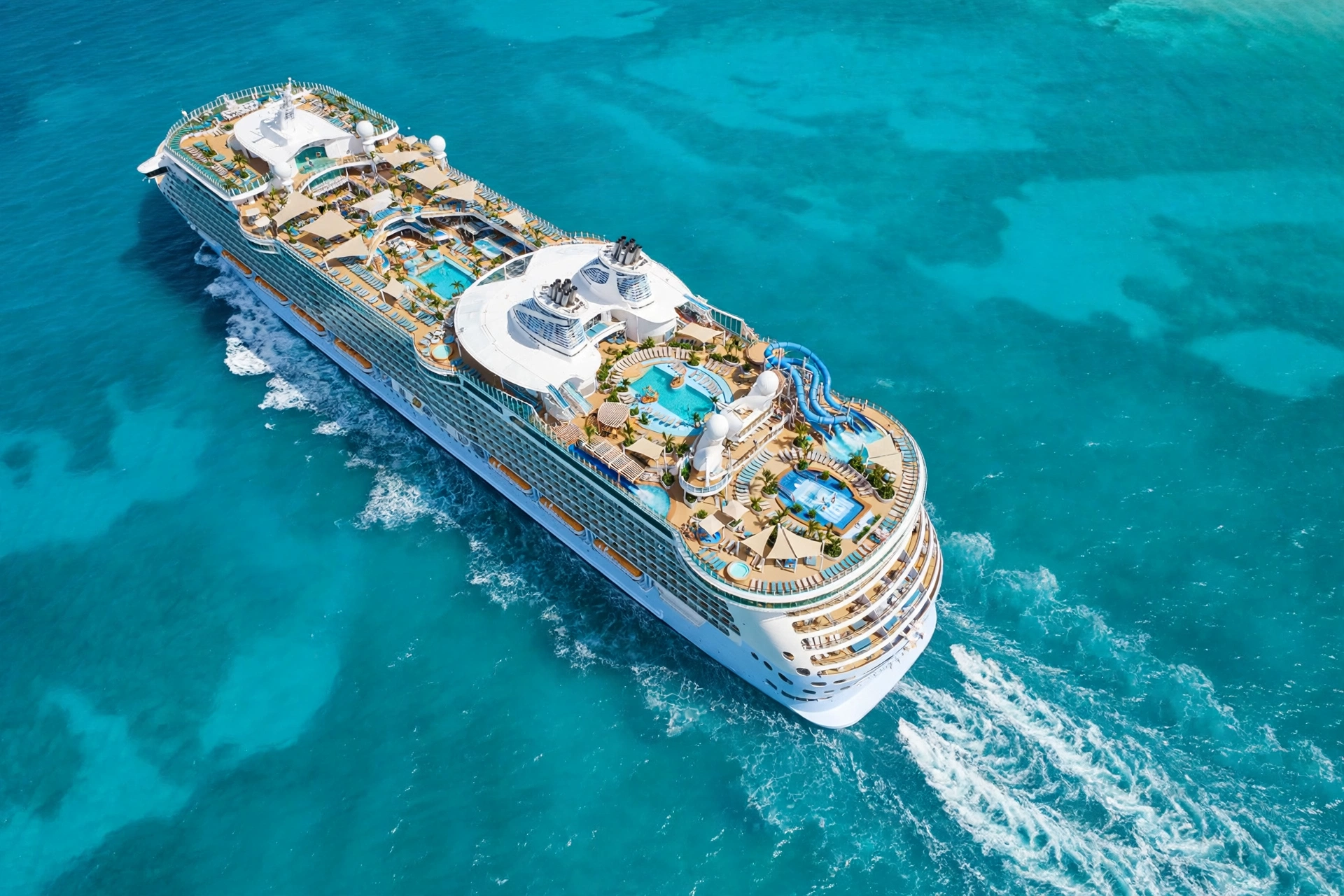
- Pools, waterslides, the gym, and sports decks
- Nightly shows, live music, comedy and onboard activities
The usual extras are drinks packages, specialty restaurants, shore excursions, Wi-Fi and crew gratuities. Several lines bundle some of them into promotional fares — when a deal does, it's worth real money, which is why the deals on this site flag it.
What about getting there?
The cruise fare starts at the pier. Flights to the port and a hotel the night before are separate pieces — and they're the pieces that make or break the trip. The one rule experienced cruisers never break: fly in the day before you sail, not the morning of.
Do I need a passport?
It depends on the itinerary and your citizenship. Many Caribbean sailings that start and end at the same U.S. port accept a birth certificate and government photo ID for U.S. citizens — but a valid passport is strongly recommended, because if you ever had to fly home from a foreign port mid-trip, you'd need one. Rules vary, so check the requirements for your exact sailing before you book.
How does booking online actually work?
Pick a sailing, click through to our booking partner's secure checkout, and confirm your live price before you pay — the deposit, final payment date and fare rules are all shown up front. If the sailing offers a free hold, you can set that up during checkout and pay the deposit a few days later. That's it: no fees for booking, and the fare is the same as booking direct — here's how that works.